In today’s mobile-driven world, it’s common to receive text messages prompting you to approve payments, especially when using digital wallets or saved payment methods for quick checkouts. But with cybercrime on the rise, receiving these messages can stir up a critical question: are these legitimate authentication requests, or phishing texts designed to trick you?
Let’s break down how modern phone-first checkout experiences work, why these approval texts exist, and how to spot and avoid suspicious links and scams while benefiting from smoother mobile payment experiences.
Why Am I Getting a Text to Approve a Payment?
Last month, I was working with a client who was shocked by the final bill.. More merchants, apps, and payment platforms are moving to phone-first checkout flows aimed at making buying online as seamless as possible. This means fewer steps, fewer typing errors, and quicker confirmations — all optimized for touchscreen use. When you store payment methods like Visa, Mastercard, or Apple Pay into apps, websites can request approval directly via your phone for transactions to proceed.
Texts asking you to approve a payment usually serve as authentication requests. Think of these as a second lock on your payment door, verifying it’s really you authorizing the transaction. Two-factor authentication (2FA) increasingly happens this way because many digital wallets and saved cards support it either through SMS codes or push notifications.
How Authentication Requests Work With Digital Wallets and Saved Payment Methods
When you check out using a digital wallet:
- Step 1: You select your saved payment method (Apple Pay, Google Pay, PayPal, etc.) on a merchant’s site or app. Step 2: The merchant’s platform sends an authorization request to your payment service. Step 3: Your phone receives a notification or SMS prompting you to confirm the payment. Step 4: You approve the transaction through biometrics (fingerprint, face recognition) or a PIN.
This procedure helps block unauthorized charges and keeps your payments secure.
Phone-First Checkout: Fewer Steps But Clear Totals
One huge benefit of phone-first checkout is that merchants streamline the payment flow to reduce friction, often reducing multiple pages down to a single or two taps. Instead of typing out your credit card number or address, your saved payment information fills in automatically.
Mobile user experience (UX) focuses on presenting a clear payment total and essential details early. This clarity lets you know exactly what you’re paying for before you confirm. For example:. Exactly.
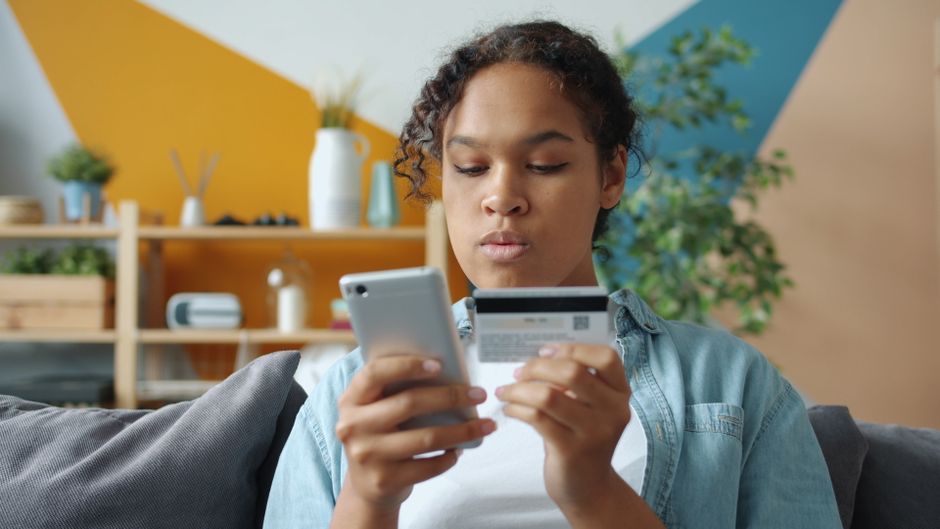
How Biometrics Reduce Friction While Enhancing Security
Biometric authentication has transformed mobile payments from a clunky chore into a nearly invisible process. Instead of entering passwords or typing codes sent via text, many users unlock their phones or approve payments quickly with a face scan or fingerprint. Both Apple Pay and Google Pay integrate biometrics as standard authentication methods, which secure your payments while keeping the process swift.
Because biometrics uniquely tie to your physical person and device, they drastically lower the risk of unauthorized payment approvals — a clear improvement over mere text messages or email confirmations that can be intercepted or spoofed.
When Is That Text Asking for Payment Approval a Scam?
Receiving a text out of nowhere asking you to approve a payment you don’t recognize is an immediate red flag. Here’s how to tell if it’s a legitimate authentication request or a phishing text designed to steal your financial info.
Signs Your Payment Approval Text Is Suspicious
- Unexpected requests: You haven’t bought anything or made a payment recently. Unfamiliar sender numbers: The text comes from a suspicious or random phone number instead of a verified merchant or payment processor. Urgent or threatening language: The message pressures you to act immediately or face consequences. Links to unknown websites: Text includes URLs leading to sites that don’t match the merchant’s official domain or use misspelled brand names. Requests for sensitive info: Asking for your credit card number, social security number, or passwords directly via text. Poor spelling or grammar: Many scam texts contain errors, typos, or awkward phrasing.
Why "Suspicious Links" Are Dangerous
Many phishing texts include links to fake login pages designed to harvest your credentials or payment info. Even if the text claims to be from Apple Pay, your bank, or PayPal, clicking suspicious links can install malware or divert you to look-alike sites https://repliesprovider.com/why-paying-by-phone-has-become-part-of-everyday-digital-life/ that steal your data.
How to Safely Handle Payment Approval Texts
If you receive a text asking you to approve a payment, here’s a checklist to verify its legitimacy:
Check your recent transaction history: Open your payment app or bank statement directly (not through the text link) to see if there’s a matching pending charge. Avoid clicking links in the text: Instead, go directly to the official app or website to verify any requests. Verify sender information: Legitimate texts usually come from shortcodes or official sources linked to your payment method. Contact your bank or payment provider: Use customer support numbers from their official site to confirm if any payment approval is needed. Use your payment app’s built-in notifications: Most digital wallets send approval requests as push notifications inside the app, not just SMS. Enable biometric authentication: This adds a layer of security that text-based requests alone can’t provide. Report suspicious texts: Forward phishing attempts to your bank or digital wallet provider’s fraud team for investigation.Best Practices to Protect Yourself From Payment Text Scams
- Keep your phone’s OS and apps updated: Security patches reduce vulnerabilities. Use multi-factor authentication (MFA): Beyond SMS, rely on app-generated codes or biometric locks. Review saved payment methods regularly: Delete any you no longer use to limit exposure. Set up alerts with your bank: Receive real-time notifications of all transactions. Never share OTP codes or PINs via text or email: Legitimate companies never ask for these.
Conclusion
Texts asking you to approve payments are a vital part of modern, mobile-first checkout and enhanced security with digital wallets and saved card methods. When legitimate, these authentication requests help protect your money with minimal hassle—especially when paired with biometrics that reduce login friction.
However, scams hiding as payment approval texts are on the rise. Always treat unexpected messages with suspicion, never click on suspicious links, and verify through official apps or direct bank contact. Following simple safety steps ensures you get the convenience of quick mobile payments without falling victim to phishing texts.
Ever notice how remember: if you didn't initiate the payment, do not approve it. Instead, report the text and contact your payment provider immediately to safeguard your accounts.